



Hey there, racing enthusiasts! As a clutch racing supplier, I've seen firsthand the ins and outs of different clutch systems. Today, I'm gonna break down the difference between hydraulic and mechanical clutches in racing. It's a topic that can get a bit technical, but I'll do my best to keep it simple and easy to understand.
Let's start with the basics. A clutch is a crucial part of any racing vehicle. It's what allows you to disengage the engine from the transmission, which is essential for shifting gears smoothly. Without a proper clutch, you'd have a hard time getting the most out of your race car.
Mechanical Clutches
Mechanical clutches have been around for a long time, and they're still a popular choice in many racing applications. They're relatively simple in design, which makes them easy to understand and maintain.
A mechanical clutch uses a series of springs and levers to engage and disengage the clutch disc from the flywheel. When you press the clutch pedal, a cable or linkage pulls on the release fork, which in turn presses on the pressure plate. This releases the pressure on the clutch disc, allowing it to spin freely. When you release the clutch pedal, the springs in the pressure plate push the clutch disc back against the flywheel, engaging the transmission.
One of the main advantages of mechanical clutches is their simplicity. They're less complex than hydraulic clutches, which means there are fewer parts that can break or malfunction. This makes them a great choice for budget-conscious racers or those who prefer to do their own maintenance.
Another advantage of mechanical clutches is their direct feel. When you press the clutch pedal, you can feel exactly what's going on with the clutch. This can give you more control over your shifts, especially in high-performance racing situations.
However, mechanical clutches also have some drawbacks. One of the biggest issues is their lack of adjustability. Over time, the clutch cable or linkage can stretch, which can cause the clutch to engage too early or too late. This can lead to poor shifting performance and even damage to the clutch components.
Another drawback of mechanical clutches is their limited ability to handle high torque. In high-performance racing applications, the engine can produce a lot of torque, which can put a lot of stress on the clutch. Mechanical clutches may not be able to handle this stress as well as hydraulic clutches, which can lead to premature wear and failure.
Hydraulic Clutches
Hydraulic clutches are a more modern alternative to mechanical clutches. They use a hydraulic system to engage and disengage the clutch disc from the flywheel. When you press the clutch pedal, it activates a master cylinder, which sends hydraulic fluid through a line to the slave cylinder. The slave cylinder then presses on the release fork, which in turn presses on the pressure plate, releasing the pressure on the clutch disc.


One of the main advantages of hydraulic clutches is their adjustability. Unlike mechanical clutches, hydraulic clutches can be easily adjusted to compensate for wear and tear. This means you can keep your clutch performing at its best for longer.
Another advantage of hydraulic clutches is their ability to handle high torque. The hydraulic system provides a more consistent and powerful force than a mechanical cable or linkage, which allows the clutch to handle more torque without slipping. This makes them a great choice for high-performance racing applications.
Hydraulic clutches also offer a smoother and more comfortable driving experience. The hydraulic system absorbs some of the shock and vibration from the clutch engagement, which can reduce driver fatigue and make it easier to shift gears smoothly.
However, hydraulic clutches also have some drawbacks. One of the main issues is their complexity. Hydraulic clutches have more parts than mechanical clutches, which means there are more things that can go wrong. This can make them more difficult and expensive to maintain.
Another drawback of hydraulic clutches is their potential for fluid leaks. The hydraulic system relies on a sealed system of hoses and cylinders to operate, and if there is a leak in the system, it can cause the clutch to fail. This can be a serious safety issue, especially in racing situations.
Which One is Right for You?
So, which type of clutch is right for your racing needs? Well, it depends on a few factors.
If you're on a budget or prefer to do your own maintenance, a mechanical clutch may be the way to go. They're simple, reliable, and easy to work on. However, if you're looking for the ultimate in performance and adjustability, a hydraulic clutch may be a better choice.
Another factor to consider is the type of racing you'll be doing. If you're racing in a high-performance application where you need to handle a lot of torque, a hydraulic clutch may be necessary. On the other hand, if you're racing in a more casual or budget-friendly series, a mechanical clutch may be sufficient.
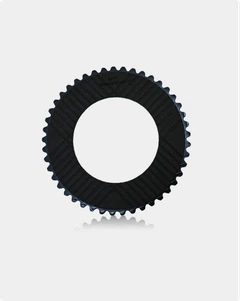
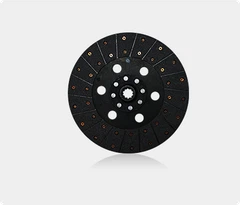
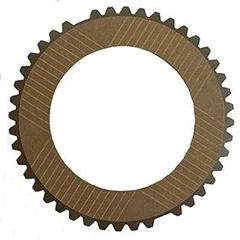
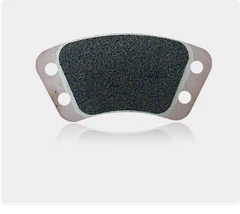
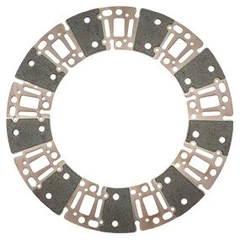
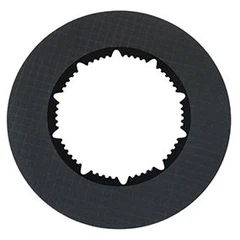
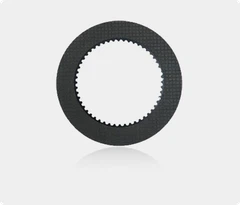
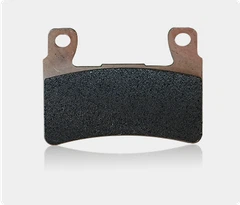
At our clutch racing supply store, we offer a wide range of Performance Bronze Clutch Facing Kit, Advanced Racing Clutch Plate with 4 Pads, and High Performance Racing Clutch Friction Disc for both hydraulic and mechanical clutches. Whether you're a professional racer or a weekend warrior, we have the products you need to get the most out of your clutch system.
If you're still not sure which type of clutch is right for you, or if you have any questions about our products, don't hesitate to reach out. We're here to help you make the best decision for your racing needs. Contact us today to start the conversation about your clutch requirements and let's work together to find the perfect solution for your race car.
References
- Automotive Clutch Handbook, Various Authors
- Racing Car Technology Magazine Articles
- Online Forums for Racing Enthusiasts


