
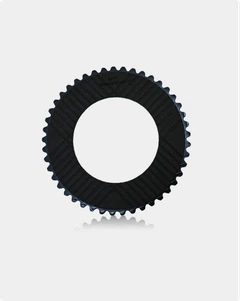
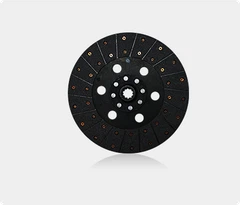
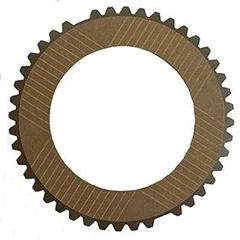
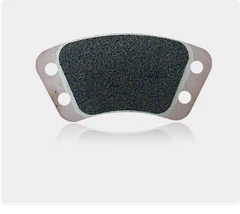



Hey there, fellow car enthusiasts! As an OEM clutch disc supplier, I often get asked about the best type of clutch disc for street-driven cars. Specifically, the big question is: which is more suitable, organic or ceramic OEM clutch discs? Well, let's dive right into it and break down the pros and cons of each to help you make an informed decision.
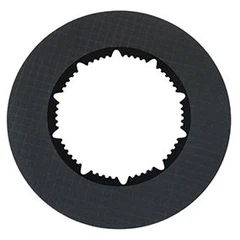
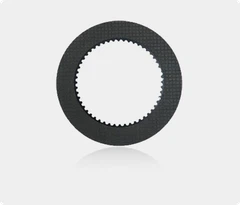
First off, let's talk about organic clutch discs. These are the most common type you'll find in everyday street cars. Organic clutch discs are made from a composite material that usually includes things like cellulose, aramid fibers, and other friction-enhancing compounds. One of the biggest advantages of organic clutch discs is their smooth engagement. When you press the clutch pedal, the transition from disengaged to engaged is nice and gradual, which makes for a comfortable driving experience, especially in stop-and-go traffic.
Another great thing about organic clutch discs is their relatively low cost. Since they're mass-produced and use more common materials, they're generally more affordable than ceramic clutch discs. This makes them a popular choice for budget-conscious car owners who still want a reliable clutch.
Organic clutch discs also produce less noise and vibration compared to their ceramic counterparts. This means a quieter and smoother ride, which is always a plus when you're spending a lot of time on the road. And because they're less harsh on the drivetrain, they can help extend the lifespan of other components like the transmission and flywheel.
However, organic clutch discs do have some limitations. They're not as heat-resistant as ceramic clutch discs, which means they can start to fade and lose their grip if you subject them to a lot of heavy use, like towing or aggressive driving. Over time, the friction material on an organic clutch disc will wear down, and you'll need to replace it. But if you're just using your car for daily commuting and occasional weekend drives, an organic clutch disc should last you a good long while.
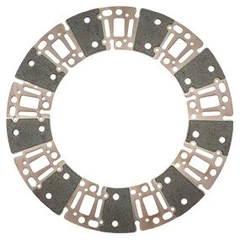
Now, let's move on to ceramic clutch discs. These are the high-performance option for street-driven cars. Ceramic clutch discs are made from a ceramic composite material that offers superior heat resistance and friction characteristics. This means they can handle a lot more torque and heat without fading or slipping, making them ideal for high-performance engines or cars that are used for racing or heavy-duty applications.
One of the main benefits of ceramic clutch discs is their ability to transfer power more efficiently. They have a higher coefficient of friction, which means they can engage more quickly and hold onto the flywheel better than organic clutch discs. This results in faster acceleration and better overall performance.
Ceramic clutch discs also have a longer lifespan than organic clutch discs, especially if you're using them in a high-stress environment. The ceramic material is more durable and resistant to wear, so you won't have to replace the clutch as often.
But ceramic clutch discs aren't without their drawbacks. One of the biggest issues is their harsh engagement. Unlike organic clutch discs, which engage smoothly, ceramic clutch discs can be a bit jerky and difficult to modulate. This can make them a challenge to drive in stop-and-go traffic, as it's easy to stall the engine or cause unnecessary wear on the clutch.
Another downside of ceramic clutch discs is their high cost. Because they use more advanced materials and manufacturing processes, they're significantly more expensive than organic clutch discs. This can be a deal-breaker for some car owners, especially if they're on a tight budget.


Ceramic clutch discs also produce more noise and vibration than organic clutch discs. This can make for a less comfortable driving experience, especially if you're used to the smoothness of an organic clutch. And because they're more aggressive on the drivetrain, they can put more stress on other components, which may require more frequent maintenance.
So, which type of clutch disc is more suitable for a street-driven car? Well, it really depends on your driving style and needs. If you're just using your car for daily commuting and occasional weekend drives, an organic clutch disc is probably the way to go. It's affordable, smooth, and quiet, and it'll give you a reliable performance for years to come.
But if you have a high-performance engine or you like to push your car to the limit, a ceramic clutch disc might be a better choice. It can handle the extra power and heat, and it'll give you the performance you need to take your driving to the next level.
As an OEM clutch disc supplier, we offer a wide range of options to suit every need and budget. Whether you're looking for a High Performance Clutch Disc, a Professional Clutch Disc Assy, or a Long Lasting Friction Clutch Disc, we've got you covered.
If you're still not sure which type of clutch disc is right for your car, don't hesitate to reach out to us. Our team of experts is always happy to help you find the perfect solution for your needs. We can provide you with detailed information about our products, answer any questions you may have, and even offer installation advice.
So, what are you waiting for? Upgrade your clutch today and experience the difference for yourself. Whether you choose an organic or ceramic clutch disc, you can trust that you're getting a high-quality product from a reliable supplier. Contact us now to start the procurement negotiation process and take your car's performance to new heights.
References
- Automotive Clutch Handbook, Various Authors
- Clutch Technology and Performance, Industry Publications


